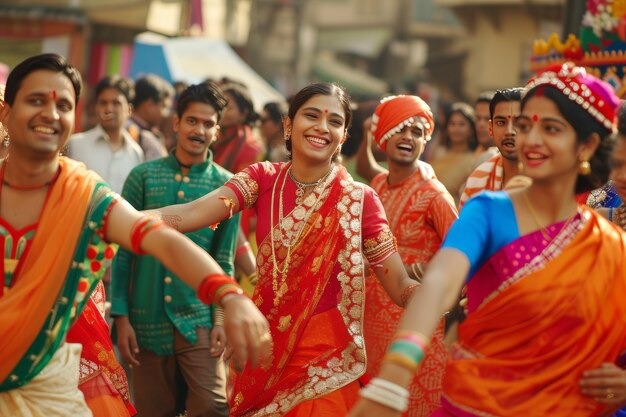
• The saree has long stood as a symbol of timeless beauty and cultural identity. It’s more than a piece of fabric; it’s an expression of grace that transcends trends. Each drape tells a story of tradition and individuality, making it a cherished part of every woman’s wardrobe. Whether worn daily or on special occasions, the saree continues to hold its place as one of the most elegant forms of attire. Today, women are finding creative ways to refresh their saree look without losing the essence of its heritage.
    Discovering the Modern Touch

    While the saree has deep traditional roots, its versatility allows it to evolve with every generation. Women are now finding inspiration through new draping styles, blouse cuts, and accessories that redefine how the saree is worn. Using modern saree tips can help transform even the simplest saree into a chic and effortless outfit. From sleek belts to layered blouses, the modern saree is about blending creativity with comfort while retaining its graceful flow.

    Playing with Drapes and Silhouettes

    One of the easiest ways to give your saree a fresh perspective is by experimenting with the drape. Instead of sticking to the classic style, explore contemporary versions that suit your mood or occasion. You can try the butterfly drape for a festive look or the pant-style drape for added mobility. Incorporating modern saree tips into your draping method can completely change how your saree falls and flatters your figure. A well-adjusted drape not only enhances your silhouette but also adds confidence to your posture.

    Choosing Fabrics That Flatter

    Every saree fabric carries a unique charm. Lightweight materials like chiffon, georgette, and organza bring a soft, elegant flow, ideal for modern styling. Cotton and linen sarees provide structure and simplicity for everyday wear, while silk and satin remain timeless for formal events. Choosing the right fabric ensures your saree looks graceful and feels comfortable throughout the day. Even the same drape looks entirely different when executed in contrasting textures proof that fabric choice can elevate or redefine your style.

    Refreshing Your Blouse Designs

    Blouses have become an essential part of the saree’s overall appeal. A creative blouse can instantly modernize a traditional saree. High-neck, off-shoulder, halter, or backless styles each bring a different tone to your outfit. Pairing printed or embellished blouses with plain sarees creates a chic contrast that’s easy to achieve. The use of modern saree tips here lies in balancing statement designs with the saree’s character, ensuring harmony rather than competition between the two.

    The Art of Accessorizing

    Accessories hold the power to elevate your saree look without overpowering it. Delicate earrings, layered necklaces, or bold chokers can each create distinct visual effects. Choosing pieces that complement your saree’s color palette and embroidery ensures elegance rather than excess. Even subtle elements like bangles or a waist chain can accentuate your drape. In saree styling, accessories aren’t afterthoughts; they complete the story your attire wants to tell.
    Embracing Simplicity with Impact

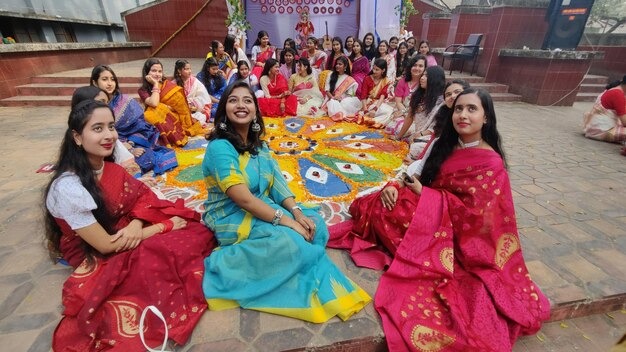
    True sophistication often comes from restraint. Incorporating minimal fashion looks into saree styling helps achieve refined elegance with little effort. A plain saree with minimal embroidery, paired with a tailored blouse and clean drape, can speak volumes. The beauty lies in balance less ornamentation but more attention to detail. This approach not only highlights craftsmanship but also makes the saree more versatile for multiple occasions. Simplicity, when executed thoughtfully, becomes the ultimate form of confidence.

    Highlighting Color and Contrast

    Color plays a crucial role in transforming the personality of a saree. Pastels bring calm sophistication, while jewel tones express depth and festivity. Monochrome sarees create a modern, sleek effect, while color-blocked ones bring energy and movement. Even mixing traditional weaves with contemporary hues can produce striking results. The idea is to select tones that enhance your natural charm and resonate with your personal sense of style, keeping the saree’s essence intact.

    Blending Elegance and Innovation

    Reinventing the saree doesn’t mean altering its tradition; it means making it more relatable to your lifestyle. The concept of elegant modern saree wear celebrates this harmony, where cultural heritage meets modern sensibility. Adding contemporary jewelry, structured belts, or minimalist makeup can make the saree more adaptable to the present day. This fusion approach keeps the garment relevant while honoring its roots, proving that elegance is timeless when paired with innovation.

    Celebrating the Saree’s Eternal Grace

    The saree continues to be an emblem of feminine strength, grace, and versatility. No matter how fashion evolves, it remains a piece that can adapt to every era and emotion. Its beauty lies not just in its design, but in the confidence it brings to those who wear it. Whether styled traditionally or with a modern twist, the saree remains an enduring reflection of poise and personality. By embracing creativity and authenticity, every woman can keep this timeless garment alive in her own unique way.
  • Utility fashion has evolved into one of the most versatile and stylish trends in modern wardrobes. Once known for its practicality and functionality, this style now effortlessly merges comfort with chic appeal. Whether you’re heading to the office, running errands, or stepping out for brunch, utility-inspired outfits help you stay comfortable without compromising your sense of style. The best part? You don’t need to sacrifice elegance for ease; utility wear offers both. This trend is redefining how we approach everyday dressing, showing that fashion and functionality can go hand in hand.

    Effortless Everyday Looks with Utility Flair

    When it comes to daily dressing, the key lies in creating outfits that are both functional and polished. Cargo pants paired with fitted tops, jumpsuits with clean silhouettes, and shirts with oversized pockets bring a touch of utility charm to your routine. The beauty of this style is its adaptability; you can dress it up with sleek boots or keep it casual with sneakers. Somewhere in the mix of creating your wardrobe essentials, you’ll naturally explore fashionable utility outfit ideas that allow you to express your personality while staying on-trend. The modern woman’s utility wardrobe focuses on smart layering, muted tones, and textures that make everyday dressing simple yet impactful.

    Mixing Fabrics for Comfort and Edge

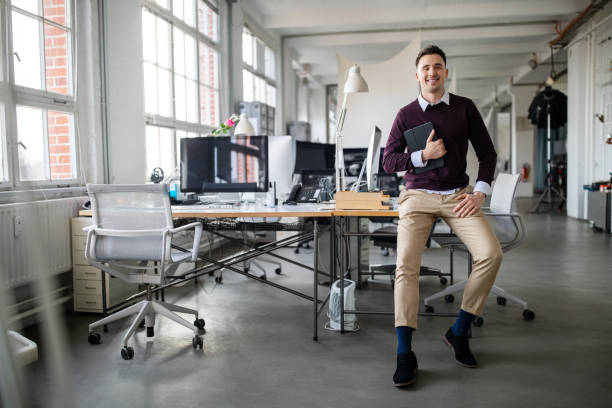
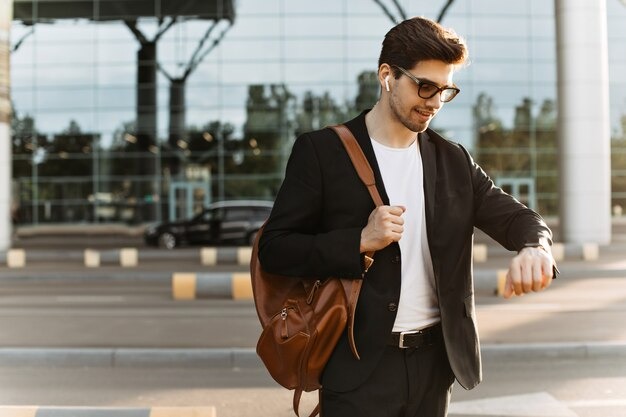
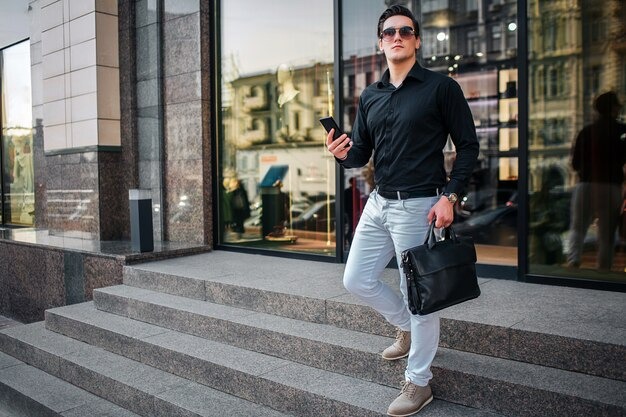
    A great utility outfit relies on a balance of soft fabrics paired with sturdy textures to create a refined yet rugged look. Think linen trousers with cotton shirts or twill jackets layered over flowy dresses. The combination of structure and ease keeps your outfit grounded but never boring. Experimenting with contrasts, like pairing a tailored vest with relaxed joggers, can instantly make your ensemble feel fresh. The goal is to achieve that effortless style that looks intentional without being overdone. This idea carries through even in men’s office wear, where the fusion of comfort and sharp tailoring sets the tone for a confident yet relaxed look.

    Colors That Speak Subtle Confidence

    Utility fashion often revolves around a muted color palette khaki, olive, beige, grey, and earthy tones dominating this space. These shades not only exude calmness but also make mixing and matching incredibly easy. The beauty of these colors lies in their ability to pair an olive jumpsuit with white sneakers for a casual outing or add gold accessories for a polished evening look. Neutral colors also create a minimalist backdrop that allows accessories, bags, and shoes to stand out effortlessly. When you understand how colors influence your overall appearance, it becomes easy to create outfits that are both trendy and timeless.

    Smart Layering for All Seasons

    One of the defining features of utility-inspired dressing is layering. It’s a practical way to add dimension and function to your outfit. Start with a light base, a fitted tee, or a crop top, and build up with overshirts, utility vests, or lightweight jackets. For colder days, swap them with structured blazers or quilted coats. Layering not only adds warmth but also allows you to play with different textures and proportions. The trick is to keep it balanced, avoid bulky combinations, and focus on pieces that complement each other. As the modern pants trend continues to influence styling, layering remains a timeless tool for building depth and structure.

    Accessories That Elevate the Look

    Accessories are where your utility outfit can really shine. Belts with metallic buckles, chunky boots, crossbody bags with zippers, or minimal jewelry can turn a simple outfit into something statement-worthy. The best part about accessorizing utility wear is that functionality often doubles as style. Those oversized bags and sturdy boots aren’t just trendy; they’re practical too. Adding a statement watch, a sleek cap, or even tinted sunglasses can bring your entire look together. Remember, utility fashion thrives on understated power, less flash, and more attitude. Choose accessories that tell your story while enhancing the outfit’s core essence.

    Transitioning from Work to Weekend Effortlessly

    One of the greatest perks of the utility trend is its versatility. With just a few styling tweaks, you can easily go from workwear to weekend-ready. A belted utility jumpsuit paired with pumps creates a sophisticated work look, while swapping the heels for sneakers instantly transforms it into casual attire. Similarly, high-waisted cargo pants with a crisp shirt can take you from client meetings to coffee dates. The goal is to have flexibility and own pieces that can be restyled with minimal effort. Drawing inspiration from everyday outfit ideas helps make this transition even smoother, ensuring your style works across all occasions.

    Statement Outerwear That Completes the Look

    Outerwear can completely transform the mood of your outfit. A cropped utility jacket can add a modern edge to a feminine dress, while a trench coat brings timeless sophistication. For chillier days, a utility parka or bomber jacket keeps you warm without compromising style. These outer layers not only enhance your outfit but also serve as a fashion statement in themselves. The clean cuts, multiple pockets, and minimal detailing found in utility outerwear make them the perfect blend of form and function. Choose colors that complement your base outfit and let the jacket do the talking.

    Sustainability Meets Style

    Utility fashion naturally aligns with sustainable dressing; it’s about investing in long-lasting, multi-purpose pieces. Choosing durable fabrics like organic cotton, hemp, or recycled polyester ensures your clothes stand the test of time. Many modern brands are embracing eco-friendly production methods, giving utility fashion a greener edge. The focus has shifted from fast trends to thoughtful consumption, owning fewer, better-quality items that can be worn across seasons. When you invest in sustainability, you’re not just buying clothes; you’re supporting a movement that values mindful living and conscious fashion.

    Conclusion

    Utility-inspired fashion proves that practicality doesn’t mean plain. It’s all about blending smart design, timeless tones, and effortless functionality to create outfits that truly serve your lifestyle. From crisp workwear to relaxed weekend looks, utility dressing helps you stay comfortable, confident, and stylish in every setting. Its appeal lies in its simplicity no frills, no fuss, just fashion that works. As you experiment with new silhouettes and accessories, you’ll find that this trend isn’t just about clothes, it’s about embracing a mindset of versatility, purpose, and individuality. With utility fashion, you’re always ready for whatever the day brings.

  • Everyday Outfits That Make Dressing Up So Simple

    Getting dressed every day should never feel like a chore. Instead, it should be an opportunity to express yourself in a way that’s both comfortable and stylish. The beauty of everyday outfits lies in their simplicity; you don’t need a full wardrobe of extravagant pieces to look great. A few staple items, when put together thoughtfully, can create an effortlessly chic look that works for any occasion.

    Keep It Simple

    Simplicity is often the best approach when it comes to daily dressing. By embracing basic, well-fitted pieces, you can create stylish outfits without overthinking it. Neutral colors such as white, black, beige, and navy provide a versatile foundation for any wardrobe. Start with a few essential items like a classic white shirt, comfortable trousers, or a sleek pair of jeans. These pieces act as a canvas for creating numerous looks that are both stylish and easy to put together.

    Know Your Style

    Fashion isn’t about following trends; it’s about wearing what makes you feel comfortable and confident. Understanding your personal style is key to making dressing up simple and enjoyable. Look at your current wardrobe and identify pieces that you wear frequently. Do you gravitate toward relaxed, comfortable clothes? Or do you prefer more structured, polished outfits? If you want to gain insights into style inspiration and practical wardrobe tips, you can explore avapateforuscongress.com for guidance. Once you know your style, it’s easier to build outfits that reflect who you are without overcomplicating things.

    Essentials That Go a Long Way

    Wardrobe staples that can be dressed up or down are essential for creating easy, everyday looks. Invest in pieces that are not only stylish but also versatile. A good pair of jeans, tailored trousers, and a quality blazer are perfect examples of items that can transition from day to night. These key pieces can be paired with a variety of tops, jackets, and accessories to create an endless array of stylish combinations. The goal is to invest in items that have longevity, so you don’t have to constantly buy new pieces every season.

    Layering Is Key

    Layering is a great way to elevate simple outfits. Adding a jacket, sweater, or scarf can instantly change the vibe of a look and make it feel more put-together. The key to layering is balancing proportions, pairing a fitted jacket with a flowy dress or a relaxed blazer with tailored trousers. Layering not only adds depth to your outfit but also provides warmth and functionality, especially for transitional seasons like spring and fall.

    Accessories That Complete the Look

    Accessories are often the finishing touch that makes an outfit feel complete. Simple accessories like a leather handbag, a delicate watch, or a pair of sunglasses can take a basic outfit to the next level. Choose accessories that complement your personal style and avoid overloading your outfit with too many bold pieces. A little goes a long way when it comes to accessories, so select ones that add just the right amount of flair to your look.

    Comfort is Key

    Comfort and style should always go hand in hand. There’s no need to sacrifice comfort for fashion when you can easily achieve both. Opt for soft fabrics that move with your body, such as cotton, linen, or jersey. Elastic waistbands, stretchy materials, and looser fits can be just as flattering as more structured clothing. Pair these comfortable fabrics with well-tailored, stylish pieces to create outfits that are both functional and fashionable.

    Stay Informed

    Fashion is always evolving, and keeping up with the latest trends can help you stay inspired and refresh your wardrobe. But you don’t need to overhaul your entire closet to stay fashionable. Incorporating small elements from the latest trends, such as a trendy color or accessory, can easily modernize your everyday outfits. If you’re curious about what’s currently trending, explore the latest fashion trends to get fresh ideas for your wardrobe without completely overhauling it.

    Inspiration From the Best

    Fashion icons have long been admired for their ability to make even the simplest outfits look chic. Drawing inspiration from these style legends can help you discover new ways to put together your everyday outfits. Whether it’s the timeless elegance of Audrey Hepburn or the boldness of Rihanna, there’s always something to learn from those who have mastered the art of personal style. Keep an eye on how fashion icons incorporate trends into their looks, and use that inspiration to create your own unique outfits.

    Make It Your Own

    One of the best ways to make dressing up simple is to create a signature look that works for you. When you find a style that makes you feel confident and comfortable, you’ll naturally gravitate toward it every day. Whether it’s a go-to combination of jeans and a blazer or a favorite dress that flatters your figure, having a signature look ensures that you’ll always have an easy outfit option. Once you’ve established your personal style, getting dressed becomes effortless, and you’ll feel like yourself no matter the occasion.

  • The fashion industry has always been dynamic, constantly shifting with cultural trends, consumer preferences, and global influences. But in the past decade, the pace of change has accelerated dramatically thanks to technology and innovation. Today, digital tools, artificial intelligence, and sustainable practices are transforming fashion into a smarter, more inclusive, and environmentally responsible industry.

    From virtual design to blockchain transparency, technology is touching every stage of the fashion lifecycle. To understand the depth of these changes, it is important to explore how innovation is redefining creativity, production, and consumer engagement in the modern fashion world.

    Technology has made it possible for fashion brands to rethink how clothing is created, marketed, and consumed. Designers are no longer limited to sketchbooks; instead, they rely on 3D software to create virtual prototypes, experiment with fabric textures, and test colors before producing physical samples. This saves both time and materials while reducing environmental waste.

    The Digital Shift in Fashion

    E-commerce has also revolutionized shopping experiences. Consumers can browse collections online, try on clothing using augmented reality mirrors, and even customize outfits before placing an order. Tools like virtual fitting rooms have made online shopping far more interactive. To stay updated on these trends, fashion professionals often explore resources like techdumpster.com website, which tracks the impact of technology on industries worldwide.

    Artificial intelligence (AI) is helping brands connect with customers in ways that were unimaginable a decade ago. AI algorithms analyze data from browsing histories, purchase patterns, and even social media activity to predict what consumers want. This allows retailers to recommend outfits tailored to individual preferences, increasing satisfaction and reducing returns. These advancements are also shaping Youth Style Culture, where personalized fashion choices and trend predictions influence how young consumers express their identity.

    Artificial Intelligence and Personalization

    AI is also transforming design itself. By analyzing market data, designers can anticipate trends before they hit mainstream markets. Additionally, AI-generated designs are emerging, blending human creativity with machine intelligence to produce fresh concepts that resonate with diverse audiences.

    Wearable Technology and Smart Fashion

    Wearable technology is merging style with functionality. Beyond fitness trackers, the fashion industry is experimenting with smart fabrics that can monitor body temperature, heart rate, or even adjust to environmental conditions. Imagine a jacket that warms up in winter or sportswear that tracks performance in real time these are no longer futuristic ideas but realities.

    Such innovations highlight how technology is expanding the definition of fashion from mere aesthetics to lifestyle-enhancing solutions.

    Sustainability Through Innovation

    One of the most critical issues fashion faces today is sustainability. Fast fashion has contributed to enormous waste and environmental damage, but innovation is helping the industry correct its course.

    3D Printing: Designers use additive manufacturing to produce garments with minimal waste.

    Recycling Technologies: Advanced methods allow fabrics to be reused for creating new clothing.

    Digital Fashion: Virtual clothing that can be worn online in gaming or social media reduces the demand for physical production.

    By embracing such practices, fashion is moving toward a greener and more responsible future.

    Virtual and Augmented Reality Experiences

    Virtual reality (VR) and augmented reality (AR) are reshaping how fashion brands interact with customers. Virtual fashion shows allow people across the globe to experience runway events without leaving their homes. AR applications enable shoppers to try on products digitally through their smartphones, eliminating doubts about fit or style.

    These immersive experiences enhance customer confidence while giving brands new opportunities to showcase creativity.

    Blockchain and Transparency

    In a world where consumers demand accountability, blockchain technology is providing transparency in supply chains. Every step of a garment’s journey from sourcing raw materials to reaching the customer can be tracked and verified.

    This innovation reduces counterfeiting, strengthens brand reputation, and assures consumers that their clothing is ethically produced. Luxury brands in particular are adopting blockchain to prove the authenticity of their products.

    Community and Customization

    Technology has empowered consumers to become co-creators. From customized sneakers to made-to-measure dresses, personalization is now a defining trend. 3D body scanning ensures accurate fits, while AI-driven platforms allow customers to design their own garments.

    This not only creates stronger emotional connections between customers and brands but also minimizes waste by producing only what is needed.

    The Future of Fashion Technology

    Looking ahead, fashion will continue to evolve as technology advances. Innovations like AI-powered fabrics, biotechnology-driven materials, and the rise of digital clothing in the metaverse are set to redefine how we think about style. The future fashion ecosystem will prioritize inclusivity, sustainability, and immersive digital experiences.

    Conclusion

    Technology and innovation are not just enhancing fashion they are redefining it. From AI-driven personalization and smart fabrics to blockchain transparency and digital experiences, every part of the industry is being reshaped.

    This transformation ensures that fashion is no longer just about appearance but also about functionality, sustainability, and individuality. As consumers demand more ethical and personalized choices, technology will remain at the core of how the fashion industry evolves.

    The fusion of creativity with innovation ensures a future where fashion is smarter, greener, and more connected than ever before.

  • Every online store dreams of a steady stream of visitors who find them through search engines — people actively looking for their products, landing on their pages, and making purchases. But for many ecommerce businesses, organic traffic remains painfully elusive. Despite beautiful product photos, sleek designs, and big ad spends, their traffic from search engines just doesn’t move the needle.

    So, why is organic growth so difficult for ecommerce shops? Let’s unpack the common pitfalls and what can be done to fix them.

    It’s Not Just About Having a Website

    Having an ecommerce store doesn’t guarantee that people will find it. Organic traffic requires visibility on search engines, which means your site has to be optimized to be discovered in the first place. Many online shops launch with the basics in place — product pages, categories, cart functionality — but without a real SEO strategy behind them.

    That’s where Business Growth with Paid Ads Vadodara come in. These specialists understand how search engines rank product and category pages, how to structure URLs, write optimized product descriptions, and how to tackle issues like duplicate content and slow site speed. Without that level of expertise, most ecommerce sites get buried beneath the competition — even if their products are better.

    Thin Content Is a Silent Killer

    A lot of online stores make the mistake of treating product pages as simple placeholders for price and an image. Unfortunately, search engines don’t buy products — they crawl content. If your site doesn’t give Google (or your customers) enough to understand what you’re selling, you’re going to lose rankings.

    Each product page should include more than just a short description. Think detailed specs, FAQs, usage tips, and reviews. This not only improves SEO but also helps shoppers make confident purchase decisions. The more relevant, helpful, and keyword-rich your content is, the more likely it is to show up in search.

    Duplicate Content Problems Are Common

    One major challenge ecommerce sites face is duplicate content — often without realizing it. Many online shops sell products that are also available on other websites (especially if they’re dropshipping or selling from a supplier’s catalog). When multiple stores use the same product description, search engines struggle to decide which version to rank.

    Google may simply ignore your page, or worse, penalize it. To avoid this, you need to rewrite supplier content, create unique descriptions, and use canonical tags properly. SEO-savvy ecommerce teams build original content even for products that are sold across many stores.

    Site Structure and Navigation Get Overlooked

    It’s not just what’s on your pages — it’s how those pages are organized. Ecommerce sites with messy navigation or poor internal linking often confuse both users and search engines. This results in lower rankings and higher bounce rates.

    A clear category structure, optimized breadcrumbs, and internal links to related products can do wonders for your visibility. Think of your website like a map — if people and search engines can’t navigate it easily, they’ll abandon it.

    Page Speed and Mobile Experience Are Critical

    User experience is now a ranking factor — and that means your site has to load fast, especially on mobile devices. Many online stores are bloated with large images, fancy scripts, and third-party plugins that slow down load time. Every extra second it takes to load a page increases bounce rates and reduces conversions.

    Compress your images, use lazy loading, and remove unnecessary plugins. Ensure your design is responsive and that mobile shoppers have just as good an experience as desktop users. Fast-loading, mobile-friendly stores not only rank better but also convert better.

    Keyword Strategy Is Often Misguided

    Many ecommerce sites aim for broad, high-competition keywords like “sneakers” or “laptops.” While these keywords have massive search volume, they’re also incredibly difficult to rank for — especially for newer or smaller stores.

    Instead, target long-tail keywords like “lightweight running shoes for women” or “budget laptops under $500.” These terms have less competition, clearer user intent, and often higher conversion rates. Ecommerce SEO is as much about targeting smartly as it is about targeting widely.

    Lack of Patience and Consistency

    Monitor Every Click & Conversion helps you understand exactly how visitors interact with your site. Finally, one of the biggest reasons online shops struggle with organic traffic is simply this: SEO takes time. Unlike paid ads, you won’t see results overnight. Many ecommerce owners give up too early or fail to maintain consistent optimization efforts.

    Successful stores treat SEO as a long-term investment. They publish regular blog content, optimize new products, update old listings, and track performance continuously. It’s a process — and the rewards come to those who stick with it.

    Conclusion

    Gaining organic traffic for an online store isn’t easy, but it is possible — with the right strategy, patience, and expertise. From fixing technical issues to producing high-quality content, every detail matters. And in a crowded ecommerce space, the margin between success and obscurity can be razor thin.

    That’s why many successful online retailers turn to ecommerce SEO experts who know how to navigate the unique challenges of search marketing in this space. Whether you’re just starting out or looking to boost your traffic, investing in your organic strategy now will pay off for years to come.

  • The End of Stiff Styles in a World That Demands Ease

    Closets all throughout the world are undergoing a silent revolution. People are saying goodbye to the rigid, uncomfortable clothing of yesterday and embracing the sleek, breathable, and modern outfits of today. From soft tailoring to technical fabrics, the message is clear: the future of fashion is easygoing, and the era of stiffness is over.

    Consumers now demand more from their wardrobes. They want clothing that’s easy to wear, easy to care for, and easy to love, all while still looking effortlessly stylish.

    From Restriction to Movement

    Historically, fashion favored structure. Crisp collars, tight waists, heavy fabrics, and flawless symmetry were symbols of refinement. But those same characteristics made many outfits uncomfortable and impractical for everyday wear.

    Now, as lifestyles evolve, fashion has begun to embrace movement. Whether you’re walking to work, sitting in meetings all day, or navigating a busy schedule, today’s modern outfits prioritize comfort and function. Elasticized fabrics, looser silhouettes, and innovative garment construction make it possible to move freely without sacrificing sophistication.

    The Influence of Changing Work Environments

    Remote work and hybrid schedules have drastically changed what people wear during their days. Rigid suits and buttoned-up blouses are being replaced by stretch chinos, soft-knit polos, and relaxed jumpsuits. These modern outfits allow people to feel comfortable while remaining video-call-ready and socially presentable.

    Even corporate environments are adopting casual dress codes that favor modern design. What matters now is how a piece feels and functions, how closely it adheres to outdated formality standards.

    Why Ease Equals Confidence

    There’s a psychological shift happening in fashion as well. Wearing clothes that feel good boosts confidence. When you’re not adjusting, pulling, or fidgeting throughout the day, you present yourself with ease and authenticity.

    Modern outfits support that confidence. A perfectly tailored blazer with hidden stretch, or a wrap dress made from breathable jersey, lets you feel like yourself even when you’re dressed to impress. This natural ease has become the new hallmark of personal style.

    modern outfits

    The Rise of Effortless Styling

    Today’s consumer prefers clothing that doesn’t require hours of styling to look good. Modern outfits are built with layering, texture, and functionality in mind, making it easy to create elevated looks without overthinking it.

    A pair of tapered joggers can be paired with heels for a brunch-ready look. A relaxed-fit shirt can double as office wear or loungewear. The ability to shift between settings with a single outfit is what makes modern fashion so appealing’s style without stress.

    Fabric Innovations Driving the Trend

    Technological advances in textiles are making this new level of ease possible. Stretch denim, machine-washable suits, wrinkle-resistant mixes, and breathable knits are revolutionizing the definition of luxury and daily wear.

    Consumers no longer want high-maintenance pieces that require dry cleaning or ironing. They want style that keeps up with their lives, fabrics that bend, stretch, and stay sharp no matter what the day brings.

    Conclusion

    We’re living in a world that values efficiency, comfort, and movement, and fashion is finally catching up. Rigid styles’ extinction is not a rejection of beauty, but a reimagining of what it may be. With modern outfits, we no longer have to choose between looking good and feeling good.

    Future fashion is intelligent, adaptable, and fluid. It listens to our needs, responds to our rhythms, and helps us express our best selves with ease.

  • How to Nail Color Coordination When Wearing a Party Dress

    Color coordination plays a significant role in creating a polished and stylish party look. A well-coordinated outfit not only enhances your overall appearance but also reflects your understanding of fashion and attention to detail. Whether you are attending a formal gala, a semi-formal dinner, or a festive celebration, mastering the art of matching colors ensures your party dress stands out for all the right reasons. The right color combinations can accentuate your best features, complement your skin tone, and make you feel more confident.

    Understanding how to choose and combine colors might seem challenging at first, but with a little guidance, it can become second nature. From learning the basics of the color wheel to experimenting with bold contrasts and subtle harmonies, the right approach will help you achieve a balanced and elegant look. This guide explores essential strategies to help you nail color coordination every time you wear a party dress.

    Understanding the Basics of the Color Wheel

    The color wheel is the foundation for mastering coordination. It consists of primary, secondary, and tertiary colors arranged in a circular diagram, helping you understand how colors relate to one another. Knowing which shades complement, contrast, or harmonize can transform your styling approach. For example, complementary colors, like blue and orange, offer a striking balance, while analogous colors, such as pink and red, create a seamless, sophisticated look.

    For party dresses, you can use the color wheel to select a base shade and decide whether you want to create a bold statement or a more understated appearance. Pairing warm tones with cool accents or using monochromatic variations of a single color can enhance visual appeal. By experimenting with the relationships on the wheel, you can find combinations that perfectly suit the mood of the event.

    Choosing Colors Based on Skin Tone and Undertones

    One of the most effective ways to elevate your party look is to select colors that flatter your skin tone and undertones. Skin tones generally fall into warm, cool, or neutral categories. Warm undertones pair beautifully with earthy shades like gold, olive, or rust, while cool undertones shine in jewel tones such as emerald, sapphire, and ruby. Neutral undertones have the flexibility to work with a broad range of shades. You can read party dress tips on this website to explore more ideas that suit different complexions.

    Determining your undertone can be as simple as looking at the veins on your wrist. Greenish veins typically indicate warm undertones, while bluish veins suggest cool ones. Once you know this, you can choose a party dress in a color that naturally brightens your complexion. Selecting the right shade will not only highlight your features but also make your entire look more cohesive.

    Balancing Bold and Neutral Shades

    Achieving harmony between bold and neutral shades is a skill that can make your outfit stand out without overwhelming the eye. Bold colors like fuchsia, cobalt blue, or emerald green draw attention and make a statement, while neutrals like black, white, beige, and grey ground the look and provide balance. Using one bold shade as the focal point of your outfit, complemented by neutrals, creates a stylish yet approachable ensemble.

    When wearing a brightly colored party dress, consider neutral-toned accessories such as nude heels, a beige clutch, or a simple metallic belt. Conversely, if your dress is in a muted shade, you can add vibrant accessories for a pop of energy. This balance ensures that your look remains elegant while still being visually engaging for the occasion.

    Coordinating Accessories with Your Dress Color

    Accessories can either enhance or distract from your outfit, depending on how well they coordinate with your dress. The key is to choose accessories that complement your dress color rather than compete with it. For instance, a deep burgundy dress pairs beautifully with gold or rose-gold jewelry, while a navy gown might look best with silver or pearl accents.

    Shoes and handbags should also be selected with care. Matching your shoes to your dress is one option, but choosing a complementary shade can add depth to your look. For example, pairing a forest-green dress with bronze heels can create a chic and unexpected combination. When accessories are in harmony with your dress color, the entire outfit appears more refined and intentional.

    Considering the Event Theme and Lighting

    The event setting and lighting can significantly impact how your outfit appears. Indoor venues with dim lighting might soften colors, making bold shades less intense, while outdoor events in daylight can make colors appear more vivid. Considering the environment helps you select a dress color that will look its best under those conditions.

    If you are attending a themed party, you can tailor your color choices to align with the theme without losing your personal style. For instance, for a winter wonderland theme, icy blues and silvers can look striking, whereas a tropical event may call for vibrant corals and greens. Matching your outfit to the ambiance ensures you blend seamlessly with the event’s aesthetic while still standing out stylishly.

    Playing with Patterns and Textures

    While solid colors are classic, patterns and textures offer opportunities for creative coordination. Florals, stripes, sequins, or lace can introduce multiple shades into your outfit, making it easier to incorporate different accessories. When working with patterns, choose one dominant color to base your coordination on, and use the secondary shades for accessory inspiration.

    Textures such as velvet, satin, or chiffon can also influence how colors are perceived. For example, the same shade of red may look deeper and richer in velvet than in silk. Experimenting with different materials allows you to create depth and variation within a single color family, resulting in a more dynamic and luxurious look.

    Incorporating Seasonal Color Trends

    Fashion trends often dictate which colors are popular during certain seasons, and incorporating these into your party dress selection can make your look feel current and fresh. Spring often brings pastel hues like lavender or mint, summer celebrates bright shades like coral and turquoise, autumn highlights warm tones such as mustard and burnt orange, and winter focuses on rich jewel tones and metallics. This seasonal approach is also reflected in dresses in modern fashion, where designers adapt color choices to match the changing moods of the year.

    By aligning your dress color with seasonal palettes, you ensure your style resonates with the mood of the time of year. However, trends should be balanced with personal preferences and what suits you best. The goal is to integrate fashionable shades without compromising your comfort or individuality, creating a look that is both stylish and timeless.

    Conclusion

    Nailing color coordination when wearing a party dress is about understanding the interplay of hues, tones, and personal style. From mastering the color wheel to balancing bold and neutral shades, each choice contributes to a harmonious and sophisticated ensemble. By considering factors like skin tone, event setting, and seasonal trends, you can create a look that is both flattering and fashion-forward.

    When you take the time to thoughtfully coordinate your colors, your outfit becomes more than just clothing—it becomes a reflection of your personality and style confidence. Whether you are aiming for subtle elegance or a bold statement, the right color strategy ensures you shine at any party.

Design a site like this with WordPress.com
Get started