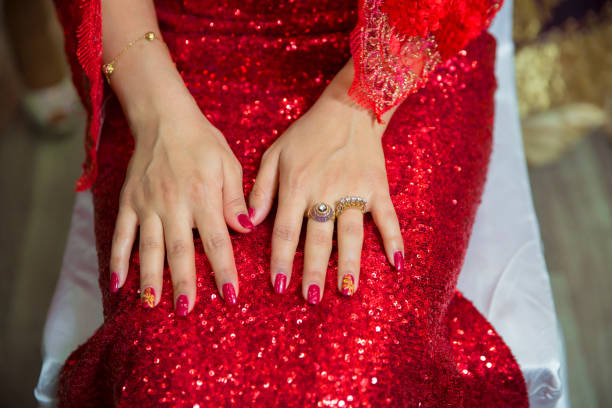
Color coordination plays a significant role in creating a polished and stylish party look. A well-coordinated outfit not only enhances your overall appearance but also reflects your understanding of fashion and attention to detail. Whether you are attending a formal gala, a semi-formal dinner, or a festive celebration, mastering the art of matching colors ensures your party dress stands out for all the right reasons. The right color combinations can accentuate your best features, complement your skin tone, and make you feel more confident.
Understanding how to choose and combine colors might seem challenging at first, but with a little guidance, it can become second nature. From learning the basics of the color wheel to experimenting with bold contrasts and subtle harmonies, the right approach will help you achieve a balanced and elegant look. This guide explores essential strategies to help you nail color coordination every time you wear a party dress.
Understanding the Basics of the Color Wheel
The color wheel is the foundation for mastering coordination. It consists of primary, secondary, and tertiary colors arranged in a circular diagram, helping you understand how colors relate to one another. Knowing which shades complement, contrast, or harmonize can transform your styling approach. For example, complementary colors, like blue and orange, offer a striking balance, while analogous colors, such as pink and red, create a seamless, sophisticated look.
For party dresses, you can use the color wheel to select a base shade and decide whether you want to create a bold statement or a more understated appearance. Pairing warm tones with cool accents or using monochromatic variations of a single color can enhance visual appeal. By experimenting with the relationships on the wheel, you can find combinations that perfectly suit the mood of the event.
Choosing Colors Based on Skin Tone and Undertones
One of the most effective ways to elevate your party look is to select colors that flatter your skin tone and undertones. Skin tones generally fall into warm, cool, or neutral categories. Warm undertones pair beautifully with earthy shades like gold, olive, or rust, while cool undertones shine in jewel tones such as emerald, sapphire, and ruby. Neutral undertones have the flexibility to work with a broad range of shades. You can read party dress tips on this website to explore more ideas that suit different complexions.
Determining your undertone can be as simple as looking at the veins on your wrist. Greenish veins typically indicate warm undertones, while bluish veins suggest cool ones. Once you know this, you can choose a party dress in a color that naturally brightens your complexion. Selecting the right shade will not only highlight your features but also make your entire look more cohesive.
Balancing Bold and Neutral Shades
Achieving harmony between bold and neutral shades is a skill that can make your outfit stand out without overwhelming the eye. Bold colors like fuchsia, cobalt blue, or emerald green draw attention and make a statement, while neutrals like black, white, beige, and grey ground the look and provide balance. Using one bold shade as the focal point of your outfit, complemented by neutrals, creates a stylish yet approachable ensemble.
When wearing a brightly colored party dress, consider neutral-toned accessories such as nude heels, a beige clutch, or a simple metallic belt. Conversely, if your dress is in a muted shade, you can add vibrant accessories for a pop of energy. This balance ensures that your look remains elegant while still being visually engaging for the occasion.
Coordinating Accessories with Your Dress Color
Accessories can either enhance or distract from your outfit, depending on how well they coordinate with your dress. The key is to choose accessories that complement your dress color rather than compete with it. For instance, a deep burgundy dress pairs beautifully with gold or rose-gold jewelry, while a navy gown might look best with silver or pearl accents.
Shoes and handbags should also be selected with care. Matching your shoes to your dress is one option, but choosing a complementary shade can add depth to your look. For example, pairing a forest-green dress with bronze heels can create a chic and unexpected combination. When accessories are in harmony with your dress color, the entire outfit appears more refined and intentional.
Considering the Event Theme and Lighting
The event setting and lighting can significantly impact how your outfit appears. Indoor venues with dim lighting might soften colors, making bold shades less intense, while outdoor events in daylight can make colors appear more vivid. Considering the environment helps you select a dress color that will look its best under those conditions.
If you are attending a themed party, you can tailor your color choices to align with the theme without losing your personal style. For instance, for a winter wonderland theme, icy blues and silvers can look striking, whereas a tropical event may call for vibrant corals and greens. Matching your outfit to the ambiance ensures you blend seamlessly with the event’s aesthetic while still standing out stylishly.
Playing with Patterns and Textures
While solid colors are classic, patterns and textures offer opportunities for creative coordination. Florals, stripes, sequins, or lace can introduce multiple shades into your outfit, making it easier to incorporate different accessories. When working with patterns, choose one dominant color to base your coordination on, and use the secondary shades for accessory inspiration.
Textures such as velvet, satin, or chiffon can also influence how colors are perceived. For example, the same shade of red may look deeper and richer in velvet than in silk. Experimenting with different materials allows you to create depth and variation within a single color family, resulting in a more dynamic and luxurious look.
Incorporating Seasonal Color Trends
Fashion trends often dictate which colors are popular during certain seasons, and incorporating these into your party dress selection can make your look feel current and fresh. Spring often brings pastel hues like lavender or mint, summer celebrates bright shades like coral and turquoise, autumn highlights warm tones such as mustard and burnt orange, and winter focuses on rich jewel tones and metallics. This seasonal approach is also reflected in dresses in modern fashion, where designers adapt color choices to match the changing moods of the year.
By aligning your dress color with seasonal palettes, you ensure your style resonates with the mood of the time of year. However, trends should be balanced with personal preferences and what suits you best. The goal is to integrate fashionable shades without compromising your comfort or individuality, creating a look that is both stylish and timeless.
Conclusion
Nailing color coordination when wearing a party dress is about understanding the interplay of hues, tones, and personal style. From mastering the color wheel to balancing bold and neutral shades, each choice contributes to a harmonious and sophisticated ensemble. By considering factors like skin tone, event setting, and seasonal trends, you can create a look that is both flattering and fashion-forward.
When you take the time to thoughtfully coordinate your colors, your outfit becomes more than just clothing—it becomes a reflection of your personality and style confidence. Whether you are aiming for subtle elegance or a bold statement, the right color strategy ensures you shine at any party.
 Fashion Hub
Leave a comment